
Views: 0 Author: Site Editor Publish Time: 2026-02-02 Origin: Site


CrCu alloy wire, a blend of chromium and copper, is an advanced material known for its outstanding performance in a wide range of industrial applications. It combines the high strength of chromium with the excellent conductivity of copper, creating a wire that is both strong and electrically efficient. This wire is used in various industries where high-performance materials are needed, and engineers often wonder, "Why is CrCu alloy wire so valuable?" In this article, we will explore the composition, material properties, main applications, and performance comparison of CrCu alloy wire, helping you understand why it is an essential material for modern industrial needs.
CrCu alloy wire is composed of a mixture of chromium and copper, two metals that, when combined, provide a material with unique properties suited for demanding applications. Chromium adds strength, hardness, and resistance to corrosion, while copper ensures excellent electrical conductivity. This combination of properties makes CrCu alloy wire a versatile material used in various sectors, including heavy-duty electrical components and industrial machinery.
The basic composition of CrCu alloy wire includes chromium (Cr) and copper (Cu). Chromium is a hard, corrosion-resistant metal, and when alloyed with copper, it significantly improves the strength and wear resistance of the material. Copper, on the other hand, is known for its high electrical conductivity, making the wire ideal for electrical and power transmission applications. The alloying of chromium with copper strikes a balance between strength and conductivity, making CrCu alloy wire a popular choice for heavy-duty and high-performance applications.
The process of alloying chromium with copper enhances the overall strength of the material. Chromium increases the wire's hardness, making it more resistant to wear and tear, while copper maintains the wire’s excellent electrical conductivity. This makes CrCu alloy wire suitable for use in applications that require both mechanical toughness and efficient power transmission.
Chromium also improves the wire’s resistance to oxidation and corrosion, which is crucial in environments exposed to harsh chemicals or extreme temperatures. Therefore, CrCu alloy wire can maintain its performance even in challenging conditions, where unalloyed copper would typically degrade over time.
The combination of chromium and copper gives CrCu alloy wire several key properties that make it ideal for various industrial applications. Below are some of the most important properties that drive its usage:
CrCu alloy wire offers excellent mechanical toughness, making it a durable choice for applications that require strength and flexibility. The chromium content enhances the wire’s resistance to mechanical stress, ensuring that it can withstand heavy loads and vibrations without compromising its structural integrity. This makes CrCu alloy wire an excellent choice for industries such as automotive manufacturing and industrial machinery, where parts are subject to constant wear and mechanical force.
One of the standout features of CrCu alloy wire is its enhanced corrosion resistance. Chromium provides an additional protective layer that prevents oxidation, even in aggressive environmental conditions. This makes CrCu alloy wire highly effective in applications where the wire will be exposed to moisture, chemicals, or extreme temperatures. Industries like power generation, automotive, and industrial control, which require reliable performance in corrosive environments, can benefit greatly from using CrCu alloy wire.
The wear resistance of CrCu alloy wire further adds to its durability. In applications where the wire is in constant contact with other materials, such as in motors and connectors, CrCu alloy wire performs exceptionally well. Its ability to resist wear ensures that it maintains its mechanical strength and conductivity over time, reducing the need for frequent replacements.
The combination of chromium and copper also gives CrCu alloy wire superior thermal and electrical performance. Copper, being an excellent conductor of electricity, ensures that the wire can efficiently carry electrical currents, while chromium’s high melting point allows the wire to perform well in high-temperature environments. This makes CrCu alloy wire ideal for high-power applications where the wire needs to handle both heat and electricity without degrading.
Whether used in power transmission systems, electrical connectors, or machinery, CrCu alloy wire provides the thermal stability and electrical conductivity needed for reliable and efficient operation.
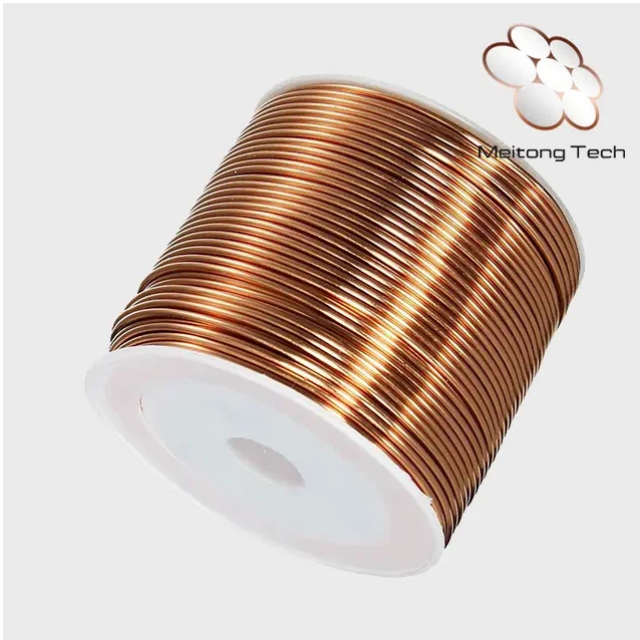
CrCu alloy wire is used in a variety of industries where strength, durability, and conductivity are essential. Below are some of the most common applications for this material:
One of the primary applications of CrCu alloy wire is in heavy-duty electrical components. These components, which include high-current connectors, electrical cables, and busbars, require materials that can handle large amounts of electricity without overheating or degrading. CrCu alloy wire is an ideal choice because it provides excellent electrical conductivity while also offering the mechanical toughness needed to withstand high currents and physical stress.
For example, in power distribution systems, CrCu alloy wire is used for connecting high-voltage equipment and ensuring the reliable transfer of electricity from one part of the system to another. The wire’s ability to resist wear and corrosion ensures that it continues to perform efficiently over time, even in demanding conditions.
In industrial machinery, CrCu alloy wire is used for wiring and connections that require both electrical efficiency and strength. Industrial machinery often operates in harsh environments, where wires are exposed to vibrations, high temperatures, and mechanical stress. The mechanical toughness and corrosion resistance of CrCu alloy wire make it well-suited for these environments. It ensures that machinery operates smoothly and efficiently, with minimal risk of electrical failure or degradation of performance.
CrCu alloy wire is also used in specialized electronic cable components, where high electrical conductivity and mechanical toughness are required. This includes cables used in military and aerospace applications, where reliability and durability are critical. CrCu alloy wire can withstand the harsh conditions these industries face, such as extreme temperatures, humidity, and pressure, while maintaining its electrical performance.
In the telecommunications sector, CrCu alloy wire is used in signal cables, where both conductivity and mechanical resistance are required for the cable to maintain performance over long distances.
The table below compares the key properties of CrCu alloy wire with pure copper and AgCu alloy, highlighting the strengths and trade-offs of each material:
Property | CrCu Alloy Wire | Pure Copper | AgCu Alloy |
Strength | High | Medium | Medium |
Conductivity | Good | High | High |
Corrosion Resistance | High | Moderate | Moderate |
Cost | Medium | Low | Higher |
The table clearly shows that CrCu alloy wire offers a higher strength and better corrosion resistance than pure copper, making it more suitable for heavy-duty applications. While it has a slightly lower conductivity than copper and AgCu alloy, its combination of strength, conductivity, and corrosion resistance makes it ideal for specialized applications where durability and reliability are essential.
For design engineers, choosing CrCu alloy wire offers several advantages, especially when working with applications that require a balance between mechanical toughness and electrical performance.
CrCu alloy wire is reliable in harsh conditions, including environments with high temperatures, vibrations, and exposure to chemicals. Its corrosion resistance and mechanical strength ensure that it can perform well in these demanding environments, making it a preferred choice for industries like automotive, power generation, and industrial machinery.
CrCu alloy wire can be customized to meet specific design requirements, such as wire gauge, length, and coating thickness. Engineers can tailor the wire to suit the exact needs of the application, ensuring that it performs optimally. This flexibility makes CrCu alloy wire a valuable material for industries requiring custom specifications for wiring and connections.
In conclusion, CrCu alloy wire is a highly versatile and reliable material, offering a unique combination of strength, conductivity, and corrosion resistance. It is an ideal choice for applications in heavy-duty electrical components, industrial machinery, and specialized electronic cables. While it may not have the same conductivity as pure copper or AgCu alloy, its superior mechanical properties and ability to withstand harsh environments make it an invaluable material for industries where performance and durability are critical. Meitongtech, a leading manufacturer of high-quality electronic wire materials, continues to provide innovative solutions like special alloy wire to meet the needs of modern industries. For more information about CrCu alloy wire and other specialized wire materials, contact us at Meitongtech today.
What is CrCu alloy wire?
CrCu alloy wire is a wire made from a combination of chromium and copper, providing high strength, good electrical conductivity, and excellent corrosion resistance.
What are the benefits of using CrCu alloy wire?
The main benefits include high mechanical strength, excellent corrosion resistance, and good electrical conductivity, making it ideal for use in heavy-duty electrical components and industrial machinery.
Where is CrCu alloy wire used?
CrCu alloy wire is used in applications such as heavy-duty electrical connectors, industrial machinery, and specialized electronic cables, where strength and durability are essential.
How does CrCu alloy wire compare to other alloys?
CrCu alloy wire offers better strength and corrosion resistance than pure copper, but with slightly lower conductivity. It is an ideal choice for demanding applications requiring a balance of mechanical toughness and electrical performance.


