
Views: 0 Author: Site Editor Publish Time: 2025-11-25 Origin: Site


A fully installed solar system promises clean, reliable energy and long-term savings, but even the most advanced panels and inverters cannot overcome weak connections. One often overlooked component that can make or break the system is PV cables, which form the vital electrical pathways between solar panels, inverters, and storage systems. Faulty or substandard PV cables can result in energy loss, reduced system efficiency, unplanned downtime, and serious safety hazards such as short circuits or fire. Understanding the critical role of PV cables, their technical features, and best practices in installation and maintenance is essential for ensuring a solar system performs reliably for decades. At Meitong Conductivity Alloy Materials (Jishui County) Co., Ltd., we specialize in producing high-quality PV cables that meet stringent international standards, delivering consistent performance and safety for any solar installation.
PV cables are specialized electrical conductors designed to carry direct current (DC) generated by solar panels to the inverter, junction boxes, or storage devices. Unlike general-purpose building wires, PV cables must endure harsh environmental conditions, including exposure to sunlight, extreme temperature fluctuations, moisture, mechanical stress, and chemical contaminants. Their insulation, conductor composition, and protective jackets are engineered specifically for outdoor and long-term use, making them indispensable for any reliable photovoltaic system.
While the purpose of PV cables may seem straightforward—conduct electricity—choosing the wrong type of cable can compromise the entire system. Standard copper wires used indoors are not designed for UV exposure, temperature swings, or long-term flexing. Over time, such wires can crack, corrode, or even fail completely, resulting in performance losses or safety hazards. PV cables, in contrast, are manufactured to meet the rigorous demands of solar applications, ensuring both efficiency and durability.
PV cables are installed in a variety of configurations depending on system design. The most common installation locations include:
Rooftop Solar Systems: These installations require cables that are flexible, UV-resistant, and capable of withstanding rooftop temperatures that can exceed 80°C during peak sunlight. Proper routing and securing are essential to prevent sagging, mechanical damage, or insulation wear.
Ground-Mounted Solar Arrays: These setups may involve longer cable runs exposed to wind, dust, and rain. PV cables in these systems must have mechanical robustness and weatherproof jackets to prevent damage over years of exposure.
Buried or Trench Runs: In some projects, cables are buried to maintain aesthetics or avoid overhead hazards. Underground PV cables need enhanced abrasion resistance, moisture protection, and insulation suitable for contact with soil.
Hybrid Installations: Many modern solar farms combine rooftop, ground-mounted, and buried sections. PV cables used in hybrid systems must balance flexibility, durability, and ease of installation to ensure long-term reliability.
Correctly matching cable type to installation environment is critical for protecting the entire solar system and avoiding costly repairs.
The lifespan and reliability of PV cables depend on a combination of material properties, construction methods, and environmental resistance. High-quality cables ensure continuous performance and reduce the likelihood of failures.
Sunlight exposure causes standard cable insulation to degrade over time, leading to brittleness and cracks. PV cables use UV-stabilized jackets, typically made from cross-linked polyethylene (XLPE) or other weather-resistant materials, which maintain flexibility and prevent degradation even under prolonged exposure to direct sunlight. UV-resistant insulation extends the operational life of the cable and protects against unexpected system interruptions or safety hazards.
PV cables must tolerate both extremely high and low temperatures. During hot summer afternoons, rooftop panels can heat cables to above 80°C, while winter nights can bring temperatures well below freezing. High-quality PV cables are designed with a wide operating temperature range, often from -40°C to 120°C, ensuring safe operation across seasonal extremes. Cables rated for narrower temperature ranges risk insulation failure or conductor deformation, which can reduce energy efficiency or trigger system faults.
The cable jacket serves as the first line of defense against mechanical and environmental damage. XLPE and XPLE jackets are preferred for PV applications because of their resistance to abrasion, chemicals, and mechanical stress. The dual-layer construction in some high-end cables adds additional protection against accidental nicks, punctures, and rodent damage. A robust jacket minimizes maintenance needs and ensures that energy losses due to insulation faults are avoided.
PV cables typically use stranded copper conductors, which offer superior flexibility compared to solid copper, making installation easier and reducing stress at connection points. Tinned copper conductors are highly resistant to corrosion, especially in coastal or humid environments, ensuring the cable maintains electrical performance over many years. Some industrial-grade cables also incorporate silver-plated or alloyed copper to further enhance conductivity and reduce oxidation.
Flexible cables reduce installation challenges and stress at bends or joints. Overly stiff cables are prone to microcracks in the insulation when bent repeatedly, which can compromise safety and energy flow. Proper flexibility ensures long-term reliability, particularly in rooftop systems where cable routing may involve sharp turns and complex layouts.
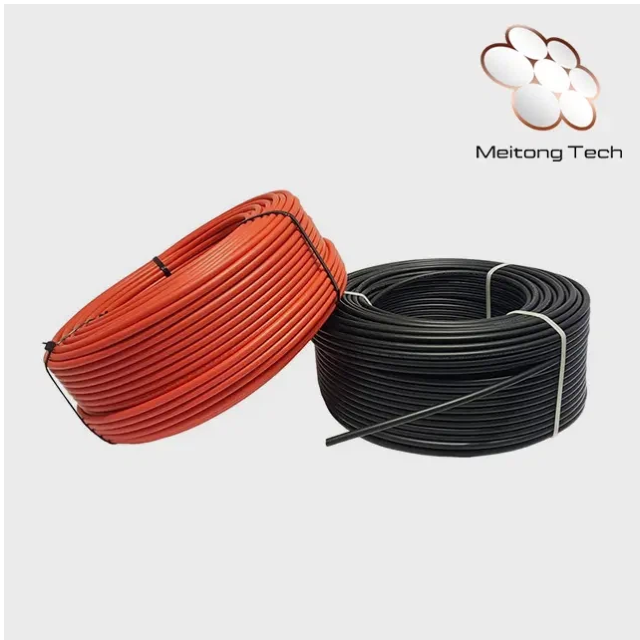
Using certified PV cables provides confidence that the system will meet safety and performance requirements. Key certifications and standards include:
IEC 62930 / EN 50618: International standards defining electrical, mechanical, and thermal requirements for PV cables. They ensure long-term durability and suitability for harsh outdoor environments.
TÜV Certification: Confirms that cables comply with rigorous safety and performance benchmarks, reducing the risk of system failures and insurance claims.
RoHS Compliance: Guarantees that the cable is free from hazardous substances such as lead or cadmium, which is critical for environmentally responsible installations.
Investing in certified cables protects not only the physical system but also the warranty and insurance coverage, as non-certified cables are often excluded from claims in case of failure.
Even high-performance solar systems can experience downtime or safety risks if cables are substandard. Typical failure modes include:
Insulation Cracking: UV exposure, temperature cycles, and mechanical stress can cause insulation to crack, potentially leading to short circuits or fire hazards.
Voltage Drop: Using cables that are too small for the current they carry causes energy loss and reduced system efficiency. In extreme cases, voltage drop can prevent inverters from operating within their optimal input range.
Connector Corrosion: Poor connector protection or tinned conductor absence allows oxidation, increasing resistance and reducing power flow.
Rodent Damage: In areas with wildlife, unprotected cables can be chewed, leading to shorts, system downtime, and costly repairs.
Environmental Damage: Flooding, dust accumulation, and chemical exposure can deteriorate cable jackets, necessitating replacements sooner than expected.
Failure consequences include loss of generated energy, costly system repairs, fire hazards, and increased operational risk. Preventing these outcomes starts with selecting high-quality PV cables designed for the intended installation environment.
Proper installation is critical for maximizing cable lifespan. Key best practices include:
Routing and Clamping: Avoid sharp bends or excessive tension. Clamps should secure the cable without deforming insulation.
Protective Conduits: Conduits shield cables from mechanical damage, rodents, and UV exposure. Flexible or rigid conduits may be used depending on the installation site.
Distance from Heat Sources: Avoid placing cables near hot surfaces such as HVAC units, exhaust vents, or heated rooftops to prevent insulation degradation.
Burial Recommendations: Use cables rated for underground applications. Consider soil composition, moisture, and mechanical load to ensure long-term performance.
Routine Inspection: Periodically check for insulation cracks, discoloration, connector corrosion, or signs of wear. Early detection prevents small issues from becoming critical failures.
Meitong Conductivity Alloy Materials (Jishui County) Co., Ltd. manufactures premium PV cables engineered for long-term performance in demanding environments. Key advantages of our products include:
Dual-Sheath XLPE Jacket: Enhanced UV, abrasion, and chemical resistance protect the conductor over decades.
Tinned Stranded Copper: Reduces oxidation and improves mechanical flexibility, ensuring consistent energy transmission in humid or coastal areas.
TÜV and EN 50618 Certified: Independent certification guarantees compliance with international standards for safety and durability.
High-Temperature Rating: Rated for extreme temperatures, maintaining performance under seasonal fluctuations and rooftop heat.
Enhanced Flexibility: Facilitates complex routing and reduces stress at bends and connectors.
Compared with conventional cables, Meitongtech PV cables offer longer service life, fewer maintenance interventions, and safer operation, making them a reliable choice for residential, commercial, and utility-scale solar installations.
The performance, safety, and longevity of a solar system depend heavily on the quality of its PV cables. From material selection and technical specifications to installation and certification, every aspect matters for ensuring consistent, reliable energy generation. Meitong Conductivity Alloy Materials Co., Ltd. provides premium PV cables designed to withstand environmental challenges, meet international standards, and reduce operational risk. For detailed datasheets, certification copies, or project quotes, contact us to secure reliable and long-lasting performance for your solar installation.
Q1: What makes PV cables different from standard electrical wiring?
PV cables are specifically engineered for DC voltage, UV exposure, temperature extremes, and outdoor durability, whereas standard wires are intended for indoor, short-term use.
Q2: How does tinned copper improve PV cable performance?
Tinned copper resists oxidation and corrosion, especially in humid, coastal, or chemically aggressive environments, ensuring long-term conductivity.
Q3: Why are certifications like EN 50618 and TÜV important for PV cables?
These certifications guarantee that cables meet international safety, thermal, and environmental standards, reducing risks of failure and warranty disputes.
Q4: Can proper installation extend PV cable lifespan?
Absolutely. Routing, clamping, conduit protection, and periodic inspection prevent mechanical and environmental damage, maximizing performance and durability.
Q5: What installation environments are most challenging for PV cables?
Rooftops exposed to intense sunlight, coastal areas with high humidity, and underground runs with moisture or mechanical pressure are the most demanding conditions.
Q6: How do Meitongtech PV cables reduce maintenance costs?
By combining durable jackets, tinned conductors, and certified construction, these cables minimize insulation degradation, corrosion, and mechanical damage, reducing service interventions over the system’s life.


