
Views: 0 Author: Site Editor Publish Time: 2025-11-20 Origin: Site


Solar cables are more than just the wires connecting your photovoltaic (PV) panels; they are a critical component that directly impacts the reliability, safety, and efficiency of your solar energy system. Yet, many buyers and system planners often overlook the significance of standards such as EN 50618, UL 4703, or PV1-F when evaluating quotes. At Meitong Conductivity Alloy Materials (Jishui County) Co., Ltd., we understand that choosing the right cable is not only about cost but also about long-term system performance. In this article, we explore how PV cable standards influence installation reliability, safety, and overall system output, helping buyers make informed decisions with confidence.
Selecting the right PV cable starts with understanding the key standards that govern their design, testing, and performance. While there are several standards in the market, three dominate PV system specifications: EN 50618, UL 4703, and PV1-F. Each has unique requirements that influence the cable's suitability for specific installations and voltage levels.
EN 50618 is widely recognized in European and international PV projects for its strict requirements on electrical, thermal, and mechanical performance. Cables manufactured to the H1Z2Z2-K designation under this standard are tested for continuous operation at high voltages (up to 1,500V), UV resistance, and robust mechanical flexibility. The primary purpose of this standard is to ensure that cables withstand extreme conditions over decades of service. With enhanced insulation and sheathing, EN 50618-certified cables significantly reduce risks like insulation cracking or conductor corrosion, common failure modes that compromise system efficiency.
PV1-F is an older European standard still acceptable for certain applications, primarily in low-voltage installations or regions with legacy infrastructure. Its electrical and thermal performance is adequate for 1,000V systems, but for modern 1,500V applications, EN 50618 has largely superseded it due to higher voltage ratings and stricter fire safety requirements.
On the other hand, UL 4703 is the North American equivalent, ensuring compliance with local fire codes, temperature ratings, and mechanical stress requirements. Cables with UL 4703 certification are often preferred for installations in the United States and Canada, offering assurance that both safety and operational performance are maintained in compliance with regional regulations.
The shift from 1,000V to 1,500V PV systems brings increased efficiency and reduced system costs due to lower current requirements and smaller conductor sizes. However, this transition imposes higher electrical stress on cables. Standards like EN 50618 address this by mandating higher insulation thicknesses, stricter thermal endurance, and enhanced UV resistance, ensuring long-term reliability in high-voltage solar arrays.
PV cable standards are not arbitrary—they are designed to ensure that cables survive the physical, electrical, and environmental demands of solar installations. Understanding these tests helps system designers and buyers appreciate why certified cables outperform uncertified alternatives.
Cables undergo tensile and flexural tests to simulate installation and operational stresses. Repeated bending, vibration, and handling during installation can damage inferior cables, leading to cracks or insulation degradation. Thermal aging tests simulate long-term exposure to sunlight and elevated temperatures, confirming that insulation materials retain their properties over decades. Additionally, short-circuit temperature testing ensures that cables can withstand sudden current surges without catastrophic failure.
Cables installed outdoors are exposed to ozone and intense ultraviolet light, both of which accelerate material degradation. EN 50618-certified cables, for example, demonstrate high resistance to UV radiation, maintaining insulation integrity over prolonged periods. Low-smoke zero-halogen (LSZH) sheathing is another crucial factor, particularly for rooftop installations or enclosed spaces where fire safety is paramount. LSZH materials reduce toxic gas emissions and smoke density during a fire, protecting both property and personnel.
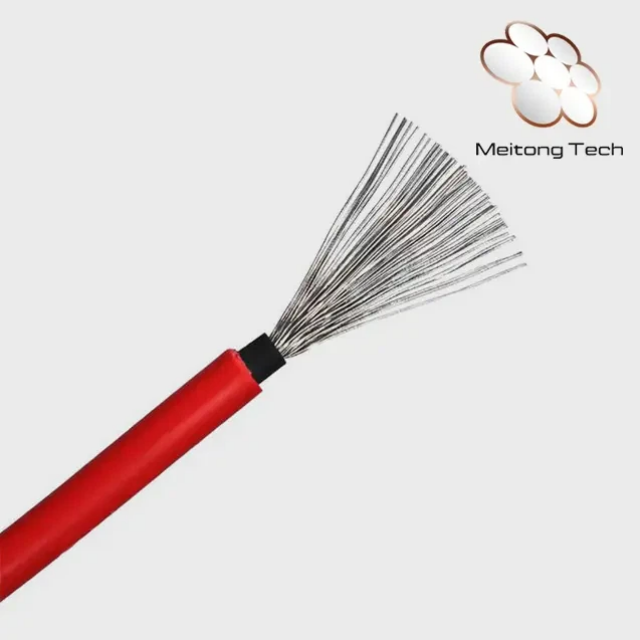
The reliability of a PV system often hinges on the integrity of its cables. Failure in the field can lead to power losses, costly repairs, or even safety hazards. Standards help minimize these risks by defining stringent design and testing criteria.
Standards aim to mitigate typical cable failures such as insulation cracking, conductor corrosion, or overheating. For instance, H1Z2Z2-K cables feature cross-linked polyethylene (XLPE) insulation that maintains mechanical flexibility and high thermal resistance. Thicker sheaths further protect conductors from mechanical damage, chemical exposure, and UV degradation.
Industry field reports consistently highlight that certified cables outperform uncertified alternatives in both longevity and performance consistency. Systems using EN 50618 or UL 4703 cables experience fewer failures related to connector incompatibility, thermal cycling, and environmental exposure. Choosing certified cables is not just about compliance; it is a proactive step toward reducing operational risks and ensuring consistent power generation.
Even the highest-quality cable can underperform if it is not aligned with the system design. Understanding how to match cable specifications to the installation architecture is crucial for maximizing reliability.
System planners must consider the string voltage of PV arrays against the conductor’s thermal rating. Cables exposed to high ambient temperatures or prolonged current loads must maintain performance without insulation degradation. EN 50618 and UL 4703 cables are rated for continuous operation at elevated temperatures, ensuring stability under high-power conditions.
Bending radius is often overlooked but critical for installation. Cables must accommodate tight bends without kinking or compromising insulation. Additionally, compatibility with connectors and junction boxes ensures secure electrical connections and prevents partial discharges or overheating at interfaces.
Cables must meet mechanical and electrical requirements at connection points, including junction boxes and inverters. Standards specify conductor cross-section, insulation thickness, and temperature ratings to ensure that connections remain reliable throughout the system’s operational life.
Aluminum alloy cables offer weight and cost advantages, but they require careful design to meet PV system standards.
Certified aluminum alloy PV cables must comply with EN 50618 or UL 4703, ensuring that thermal limits, bending characteristics, and mechanical strength are sufficient for long-term performance. Standardized testing ensures that these cables maintain electrical and mechanical properties under operating temperatures and UV exposure.
While aluminum alloy cables can meet system requirements, careful attention must be given to connector interfaces, corrosion protection, and installation practices. Properly manufactured and certified cables can achieve performance comparable to copper in many applications, provided standards are strictly followed.
At Meitong Conductivity Alloy Materials, our solar cable production lines emphasize rigorous compliance with international standards. Our products include:
H1Z2Z2-K cables compliant with EN 50618, suitable for 1,500V PV systems in harsh environmental conditions.
PV1-F and UL 4703-certified cables, providing reliable performance for lower-voltage or North American installations.
Aluminum alloy PV cables engineered for lightweight, cost-efficient installations while meeting required thermal and mechanical standards.
Each cable model is tested for continuous operating temperatures, UV resistance, and mechanical durability. Typical installations include residential, commercial, and utility-scale solar projects, with service life expectations of 25+ years under proper conditions.
Certified solar cables are a cornerstone of safe, efficient, and durable PV installations. By adhering to standards like EN 50618, UL 4703, and PV1-F, system planners reduce the risk of field failures, improve long-term energy yield, and ensure safety under extreme environmental conditions. Meitong Conductivity Alloy Materials combines advanced manufacturing with rigorous standards compliance to deliver high-performance PV cables for diverse solar projects worldwide. To learn more about our cable lines and request technical specifications, contact us today.
Q1: Why is EN 50618 important for PV cables?
A1: EN 50618 sets strict mechanical, thermal, and fire safety requirements, ensuring long-term cable performance in high-voltage PV systems.
Q2: Can PV1-F cables still be used in modern solar systems?
A2: PV1-F cables are suitable for 1,000V installations but may not meet the higher voltage and durability requirements of 1,500V systems.
Q3: How do aluminum alloy PV cables compare to copper?
A3: Aluminum alloy cables are lighter and cost-effective; when certified under relevant standards, they can match copper's performance for many PV applications.
Q4: What installation factors should be considered with PV cables?
A4: Bending radius, conductor temperature ratings, UV and ozone resistance, and junction box compatibility are critical to prevent field failures and ensure system reliability.


