
Views: 0 Author: Site Editor Publish Time: 2025-08-28 Origin: Site


Medical electronics demand conductors that combine electrical reliability, biocompatibility, and the ability to withstand sterilization and repeated handling. Silver-Plated Copper Stranded Wire offers a unique combination of a high-conductivity copper core and a silver surface layer, making it ideal for many medical applications. At Meitong Conductivity Alloy Materials, we supply medical-grade silver-coated copper twisted wire and stranded wire solutions designed to meet the rigorous requirements of medical device OEMs, catheter manufacturers, and cable engineers. Beyond just conductivity, these wires contribute to manufacturing efficiency and consistent quality in high-precision medical devices.
Medical devices require wiring that can reliably transmit signals while maintaining biocompatibility. Silver-plated copper stranded wire appears in a variety of medical device components, from cable assemblies to catheter mandrels and sensor leads. Its combination of excellent conductivity, flexibility, and surface properties allows it to serve in both disposable and reusable instruments. Additionally, its high thermal stability supports use in devices that operate under varying temperatures without compromising performance.
Silver plating offers several advantages in medical wiring:
Surface conductivity: The silver coating reduces contact resistance, which is essential for precise signal transmission in low-voltage monitoring and imaging cables. Even small fluctuations in resistance can impact diagnostic accuracy, making high-quality plating critical.
Biocompatibility: Silver is generally compatible with human tissue contact, which makes it suitable for temporary insertion devices such as catheter mandrels. The surface also resists microbial growth to a degree, adding to its suitability in medical environments.
Mechanical performance: The plating enhances the wire’s ability to be formed over mandrels without cracking, allowing for tight bends and complex geometries required in minimally invasive devices.
Thermal and chemical stability: Silver-plated surfaces tolerate common sterilization procedures and cleaning solutions better than bare copper in many cases. This property is essential for devices that must endure repeated autoclave or chemical sterilization cycles.
Several medical device classes commonly incorporate silver-plated conductors:
Monitoring leads: ECG, EEG, and other physiological monitoring leads benefit from the low contact resistance and durability of silver-plated conductors, ensuring patient data accuracy over extended use.
Imaging cables: Ultrasound and diagnostic imaging devices rely on silver-coated copper twisted wire to maintain high signal fidelity over repeated handling, bending, and cleaning.
Catheter mandrels and guidewires: The ability of silver-plated stranded wire to form accurately and release cleanly from complex molds reduces manufacturing errors and ensures consistent performance, crucial for high-precision minimally invasive procedures.
Manufacturers such as Ulbrich and Nassau National Cable have reported widespread adoption of silver-plated conductors in these applications due to their combination of electrical, mechanical, and biocompatible properties.
Medical device wiring must adhere to strict regulatory and cleanliness standards. Handling and packaging procedures are critical to maintain the surface integrity of silver-plated copper stranded wire:
Handling protocols: Gloves and cleanroom-compatible tools should be used to avoid contamination of the silver surface. Even minor oils or residues can affect solderability and surface conductivity.
Surface cleanliness: Any residues, oils, or particles can interfere with sterilization or signal transmission and must be minimized. High-quality plating ensures the surface is smooth and less prone to contamination adherence.
Documentation: Medical manufacturers should maintain traceable records of batch numbers, surface inspection results, and plating thickness to satisfy regulatory audits and future device recalls if needed.
Silver-plated copper stranded wire must also withstand sterilization without degradation. Common methods include:
Autoclave: High-temperature steam sterilization can affect the integrity of some plating processes; verifying adhesion and mechanical flexibility after multiple cycles is essential.
Ethylene oxide (EtO): Gas sterilization generally has minimal impact on silver plating, but moisture absorption and outgassing should be monitored.
Gamma irradiation: High-energy exposure can induce minor surface changes; documentation of testing and performance validation is recommended.
Medical device manufacturers should test and document sterilization compatibility for each intended use case to ensure regulatory compliance and patient safety. This ensures consistent performance across devices that are reused or undergo rigorous sterilization protocols.
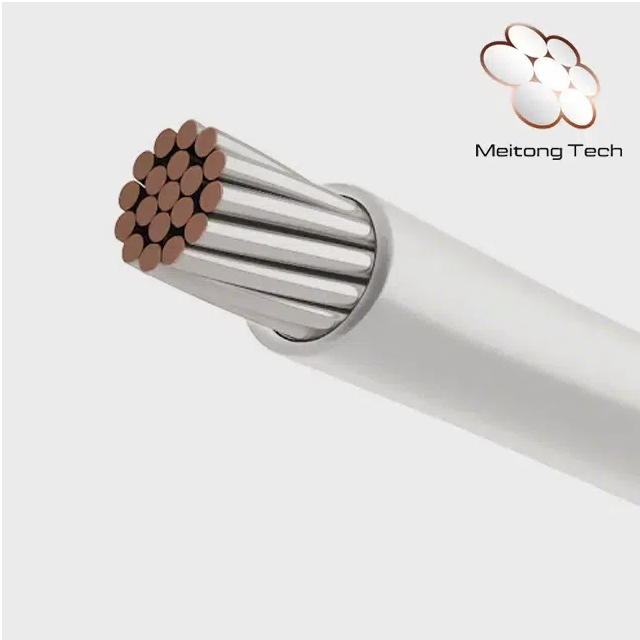
Silver-plated stranded wire demonstrates several advantages in assembly processes:
Mandrel release: The smooth silver surface reduces friction and allows the wire to be formed into complex geometries and released without deformation. This property is especially valuable in catheter and guidewire manufacturing, where precision is critical.
Bend flexibility: Stranded construction combined with silver plating supports repeated forming, essential for catheter and sensor wire fabrication.
High-frequency performance: Twisted silver-coated copper wires maintain consistent impedance and reduce signal loss in delicate medical electronics, improving the reliability of medical monitoring and imaging systems.
Proper soldering and termination techniques ensure long-term reliability:
Flux selection: Mild, no-clean fluxes prevent corrosion of the silver surface, preserving the wire’s integrity over time.
Temperature control: Excessive soldering temperatures may degrade plating; precise thermal control preserves electrical and mechanical properties.
Mechanical bonding: Silver plating enhances wetting and adhesion for both soldered and crimped terminations, improving assembly robustness for medical cables.
These assembly benefits reduce manufacturing errors, minimize rework, and support high-volume production of medical-grade wiring.
Silver-plated copper stranded wire resists oxidation better than bare copper, which is critical for reusable medical devices:
Corrosion resistance: The silver layer prevents rapid oxidation, ensuring consistent conductivity over time.
Signal integrity: Reduced surface corrosion helps maintain low-resistance contacts in monitoring leads, imaging cables, and other critical circuits.
Cleaning resilience: The surface withstands approved cleaning protocols, including alcohol wipes and enzymatic solutions, extending the usable life of reusable components.
Medical engineers must consider whether cables will be single-use or reusable:
Single-use: Cost-effectiveness and sterilization compatibility are prioritized; silver-plated stranded wire ensures reliable signal transmission during limited use.
Reusable: Longevity, oxidation resistance, and surface integrity under repeated cleaning cycles are key; silver plating supports these requirements better than bare copper or alternative coatings.
Maintenance protocols: For reusable cables, silver plating reduces the frequency of replacements and simplifies cleaning, helping facilities manage costs and maintain safety standards.
Medical device manufacturers should request detailed documentation from suppliers:
Plating thickness: Verify that the silver layer meets required specifications for electrical and mechanical performance.
Adhesion tests: Ensure plating adheres under repeated bending and forming.
Lot traceability: Batch numbers, production date, and plating process details must be documented for regulatory purposes.
Manufacturers should implement in-house verification procedures:
Mechanical tests: Bend, twist, and form wires over mandrels to ensure flexibility and surface integrity.
Electrical tests: Measure resistance and signal fidelity across sample runs to confirm consistent performance.
Sterilization tests: Subject sample wires to intended sterilization methods and inspect for surface changes, adhesion loss, or electrical degradation.
These steps ensure that silver-plated copper stranded wire performs reliably in every device and helps maintain regulatory compliance.
Silver-Plated Copper Stranded Wire clearly adds value in medical device and cable applications where conductivity, flexibility, and surface performance are critical. Meitong Conductivity Alloy Materials provides high-quality silver-coated copper twisted wire and stranded wire solutions for ECG leads, imaging cables, catheter mandrels, and other medical electronics, supporting both disposable and reusable designs. By combining high conductivity, excellent surface finish, and sterilization compatibility, our products ensure reliable performance, biocompatibility, and long service life in demanding medical environments. Contact us today to request medical-grade samples and a supplier regulatory pack, and discover how our silver-plated solutions can elevate the reliability and safety of your medical devices.


