
Views: 0 Author: Site Editor Publish Time: 2026-05-06 Origin: Site


In an age where sustainability and environmental responsibility are at the forefront of industrial and manufacturing concerns, the materials used in production must meet increasingly stringent environmental standards to minimize ecological impacts and ensure long-term resource availability. One such material is MgCu-Alloy Wire, a copper-magnesium alloy widely used across various industries due to its high conductivity, durability, and versatility. This article will explore the recyclability of MgCu alloy wire, its compliance with environmental standards, and the numerous benefits it offers in terms of sustainability, helping industries reduce their environmental footprint while still achieving high-performance outcomes in applications such as automotive, electronics, and robotics.
Before diving into its recyclability and environmental impact, it’s important to understand what MgCu-Alloy Wire is and why it is used in various applications.
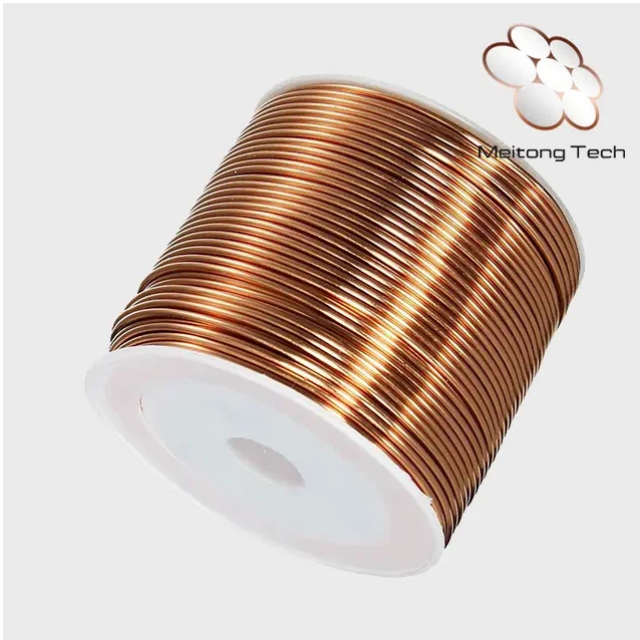
MgCu-Alloy Wire is primarily composed of copper (Cu) and magnesium (Mg), which are alloyed to create a material that exhibits both high electrical conductivity and increased mechanical strength compared to pure copper. This combination makes it suitable for a wide range of applications, including:
Automotive industries: used in wiring and cable systems.
Electronics: for signal transmission and power supply lines.
Robotics: to ensure robust wiring that can withstand the stresses of automation and movement.
High-temperature cables: due to its ability to maintain conductivity and strength under high temperatures.
MgCu alloys also have enhanced fatigue resistance, corrosion resistance, and high tensile strength, making them ideal for demanding environments.
One of the most important features of MgCu-Alloy Wire is its recyclability. With growing concerns about the environmental impact of manufacturing and waste, recycling metals like copper and magnesium has become increasingly important.
MgCu alloys are recyclable because both of their primary components — copper and magnesium — are well-recognized as recyclable metals. Copper is one of the most recycled metals globally, and magnesium, while less common in recycling processes, is also recyclable when processed properly.
Collection and Sorting: The first step in recycling MgCu alloy wire is to collect and sort it based on its composition. This ensures that copper and magnesium are properly separated for their respective recycling processes.
Melting and Purification: The wire is then melted at high temperatures, allowing the metals to be purified. Any impurities or non-metallic components are removed during this stage.
Reforming and Repurposing: Once purified, the recycled copper and magnesium are reformed into new products, including new wires, alloys, and other electrical components.
Energy Conservation: Recycling MgCu alloy wire uses significantly less energy compared to the extraction and refining of new copper and magnesium from ore.
Resource Conservation: By recycling the materials, valuable resources are conserved, reducing the need for mining new ores.
Reduction of Carbon Footprint: The recycling process generates fewer emissions compared to the production of new metals, thus contributing to a reduction in the carbon footprint.
Recycling Benefits | Impact |
Energy Conservation | Reduces energy use by up to 85% compared to mining new materials. |
Resource Conservation | Preserves natural resources by reusing existing materials. |
Lower Carbon Emissions | The recycling process results in fewer greenhouse gases being emitted. |
In addition to being recyclable, it is crucial for materials like MgCu-Alloy Wire to comply with various environmental regulations to ensure they don’t negatively impact human health or the ecosystem.
MgCu-Alloy Wire complies with several international environmental standards aimed at reducing the harmful impact of materials used in electronic, automotive, and industrial products.
RoHS is a European Union directive that restricts the use of certain hazardous substances in electrical and electronic equipment. MgCu alloy wire is RoHS-compliant, meaning it is free from harmful substances like lead, cadmium, and mercury, which are commonly found in older materials.
WEEE is another European regulation that mandates the proper disposal and recycling of electronic waste. Since MgCu alloy wire is recyclable, it fits into the WEEE guidelines, which help prevent electronic waste from ending up in landfills.
ISO 14001 sets criteria for an effective environmental management system. Manufacturers of MgCu alloy wire often adhere to ISO 14001, ensuring that the production and lifecycle of these materials minimize environmental harm.
By adopting MgCu-Alloy Wire, industries can make significant strides toward improving sustainability and achieving their environmental goals. The versatile nature of this material offers a wide array of benefits that can help reduce the overall environmental impact. Below are several key ways in which the use of MgCu alloy wire contributes to a more sustainable and eco-friendly future:
One of the most important benefits of using MgCu-Alloy Wire is the reduction of carbon emissions. The need for raw material extraction is minimized, significantly lowering the carbon footprint of various applications. The recycling process associated with MgCu alloy wire ensures that fewer natural resources are consumed, making it far more sustainable compared to traditional materials that require extensive mining and processing. The inherent recyclability of the wire allows for it to be reprocessed into new products, reducing waste and limiting the amount of energy required to produce new raw materials. As a result, industries utilizing MgCu-Alloy Wire contribute to a cleaner, more energy-efficient production cycle, reducing overall greenhouse gas emissions and promoting long-term environmental health.
Manufacturers who produce MgCu-Alloy Wire often adhere to green manufacturing practices and environmentally friendly methods, striving to minimize emissions and waste generation. The ability to recycle MgCu-Alloy Wire several times throughout its life cycle means that this material can be reused, refurbished, and repurposed, significantly extending its lifespan and reducing the need for fresh raw materials. By following sustainable manufacturing processes, the environmental impact is reduced further as it incorporates practices such as using renewable energy sources, implementing water recycling systems, and minimizing waste in production lines. This results in a more responsible and efficient manufacturing system, where the ecological footprint of the production process is minimized.
MgCu-Alloy Wire plays a pivotal role in supporting the circular economy, which focuses on the reuse, refurbishment, and recycling of products and materials to extend their life cycle. The use of MgCu-Alloy Wire contributes to the reduction of the need for new raw resources, aligning with the principles of a sustainable, closed-loop system. As a recyclable material, it reduces the demand for new extraction and processing, which in turn helps reduce environmental degradation associated with resource extraction. The circular economy model emphasizes reducing waste and maximizing the value of products and materials at every stage of their life cycle, ensuring that resources are continuously cycled back into the economy rather than being discarded. By integrating MgCu-Alloy Wire into this system, industries contribute to a more sustainable and efficient global economy, with less reliance on raw material consumption and a significant reduction in waste generation.
Yes, MgCu-Alloy Wire is fully recyclable. Copper and magnesium, the primary components of this alloy, are widely accepted in recycling programs around the world.
MgCu-Alloy Wire meets important global environmental standards such as RoHS (Restriction of Hazardous Substances), WEEE (Waste Electrical and Electronic Equipment), and ISO 14001 (Environmental Management).
Recycling MgCu Alloy Wire conserves energy, reduces waste, and lowers carbon emissions by reusing valuable metals instead of extracting new resources from the earth.
Yes, using MgCu-Alloy Wire can help reduce carbon emissions, as the recycling process requires far less energy than extracting new metals, leading to fewer greenhouse gas emissions.
In conclusion, MgCu-Alloy Wire is an exceptionally recyclable material that not only meets but often exceeds various global environmental standards, positioning it as a responsible and forward-thinking choice for industries that prioritize sustainability and environmental stewardship. As the demand for environmentally conscious materials continues to rise, the ability to recycle this alloy effectively ensures that it contributes significantly to reducing waste and minimizing the need for new raw materials, which helps preserve valuable natural resources. Additionally, the wire’s remarkable energy efficiency during the recycling process makes it an even more attractive option for companies looking to lower their energy consumption and reduce their carbon footprint. Furthermore, the fact that MgCu-Alloy Wire complies with stringent environmental regulations, such as RoHS, WEEE, and ISO 14001, assures manufacturers that they are adopting materials that align with the highest environmental management practices. This makes MgCu-Alloy Wire an ideal solution not only for reducing ecological footprints but also for ensuring that industries such as automotive, electronics, and robotics can meet their sustainability goals without compromising on performance, safety, or cost-effectiveness. With these combined benefits, it is clear that MgCu-Alloy Wire plays an essential role in shaping a more sustainable future across various sectors, helping businesses minimize their environmental impact while continuing to provide reliable, high-performance products.


