
Views: 0 Author: Site Editor Publish Time: 2026-08-03 Origin: Site


The automotive door harness operates in one of the most hostile environments imaginable for electrical routing. It actively endures hundreds of thousands of flex cycles over a vehicle's lifespan. Extreme temperature swings and constant moisture ingress further complicate the routing space. Original equipment manufacturers (OEMs) and aftermarket builders face a challenging operational reality every day. Wire fatigue and corrosion inside door jambs routinely trigger unexpected electrical failures. These mechanical breakdowns cause frustrating power window malfunctions and expensive diagnostic delays.
Specifying the correct conductive material changes this narrative entirely. Utilizing a robust conductor shifts the outcome from premature failure to predictable reliability. Engineers increasingly rely on specially treated stranded copper to survive these exact conditions. You will discover how specific strand counts prevent micro-fractures during heavy flexion. We will also explore how protective barriers defeat galvanic corrosion inside damp door panels. Upgrading your material selection directly protects vehicle functionality and brand reputation.
Fatigue Resistance: Stranded construction absorbs kinetic stress in high-flex zones (door hinges), preventing the micro-fractures common in solid core wires.
Corrosion Immunity: Tin plating sacrifices itself to protect the underlying copper from oxidation caused by water and road salt ingress inside door panels.
Total Cost of Ownership: While initial material costs are higher than bare copper or Copper Clad Aluminum (CCA), tinned copper drastically reduces post-sale warranty claims and maintenance bottlenecks.
Processing Reliability: Tin plating enhances solderability and stabilizes crimp resistance in automated wire harness production lines.
Automotive door harnesses endure immense physical punishment. The mechanical stress placed on these assemblies is staggering. A standard vehicle door opens and closes tens of thousands of times over its expected lifecycle. Each movement forces the internal wiring to bend repeatedly. The rubber door boot heavily constrains the available bend-radius. Wiring must fold and unfold within a remarkably tight cavity. This continuous motion concentrates kinetic stress directly onto the copper core. Ordinary conductors quickly succumb to this repetitive strain. They develop microscopic stress fractures across their surface.
Physical flexion is only one part of the problem. Door cavities are never hermetically sealed. They breathe and collect moisture constantly. Condensation builds up inside the metal panels overnight. Rainwater frequently sneaks past aging rubber window seals. Tires spray road salt and liquid de-icers directly into nearby drainage weep holes. These corrosive halides evaporate and coat the internal wiring components. This combination creates a highly corrosive micro-environment. Bare metals degrade rapidly under these harsh conditions.
These physical failures directly drive negative business outcomes. A broken circuit inside a door jamb disables critical functions. Power windows fail to roll up during rainstorms. Electronic door locks stop responding to key fobs. Dealership technicians must then spend hours running diagnostic tests. They have to remove interior door panels just to locate the broken wire. Replacing an entire harness consumes expensive labor hours. These preventable failures damage consumer trust and degrade brand reputation significantly. Protecting these circuits requires a more resilient engineering approach.
Choosing the right physical construction dictates component survival. Solid core wire is instantly disqualified for moving parts. It consists of a single, thick piece of copper. Solid wire lacks physical flexibility completely. Bending it repeatedly causes immediate work-hardening. The metal becomes brittle and inevitably snaps in half. Engineers must specify stranded configurations for any dynamic application.
Higher strand counts distribute mechanical loads evenly across the cable. Type 3 stranding utilizes many fine copper strands bundled together. This specific configuration significantly increases the overall flex-life of the cable. When the door opens, individual strands slide slightly against one another. This internal friction absorbs the kinetic energy. The mechanical stress spreads out rather than concentrating in one spot. Using an appropriate Automotive Harness Conductor guarantees the assembly survives constant motion.
Vibration tolerance provides another critical advantage. Vehicles generate constant harmonic feedback. Engine idle vibrations travel directly through the chassis. Potholes and rough roads send shockwaves into the door panels. Stranded wire dampens these continuous vibrations effectively. The bundled design prevents localized work-hardening near the connector pins. Connectors remain securely attached without experiencing fatigue fractures. This dampening effect keeps the electrical pathway intact for years.
Multiple strands also optimize electrical performance for direct current (DC) applications. The skin effect principle dictates how current travels along a conductor. Electrons prefer moving along the outer surface of the metal. Stranded wire provides significantly more total surface area than solid wire. This expanded surface area ensures highly stable voltage drops. Consistent voltage delivery is vital for sensitive door modules. High-draw components like window motors and premium audio speakers demand unrestricted current flow to operate efficiently.
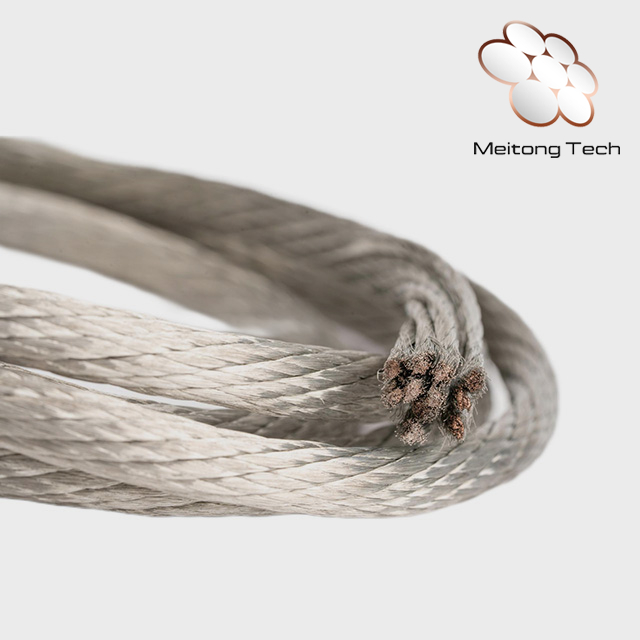
Understanding oxidation mechanics is crucial for long-term reliability. Bare copper offers excellent baseline conductivity. However, it reacts aggressively upon oxygen exposure. Moisture accelerates this natural chemical reaction exponentially. The process transforms the outer layer into copper oxide. You easily recognize this as a green or dark black patina. Copper oxide acts as an electrical insulator rather than a conductor. It forcefully drives up the electrical resistance across the circuit. Increased resistance generates unwanted heat and starves components of necessary power.
Applying a micro-layer of tin plating solves this oxidation problem permanently. Upgrading to a Tin Plated Copper Stranded Wire creates a vital protective barrier. Tin acts as a sacrificial layer over the pure copper core. It actively defends against galvanic corrosion inside the damp door cavity. This chemical protection remains absolutely crucial in humid climates. Vehicles operating near coastal environments or salted winter roads demand this specific upgrade. The tin barrier physically blocks moisture from reaching the vulnerable copper underneath.
Crimping and termination integrity also improve dramatically. Connectors must maintain flawless contact with the wire strands. Bare copper oxidizes quickly during the manufacturing storage phase. Terminating oxidized wire creates a poor electrical connection from day one. Tinned wire maintains a chemically clean surface over long periods. The softer tin layer actually helps during the crimping process. It deforms slightly under pressure to create a gas-tight seal. Crimped terminals maintain incredibly low contact resistance years after initial assembly.
Production lines benefit from enhanced processing characteristics. Automated cutting and stripping machines handle tinned wire smoothly. The plating prevents individual strands from fraying wildly after stripping. Solderability also increases significantly. Tin accepts solder rapidly without requiring aggressive acid fluxes. This creates a stronger, cleaner mechanical bond. These manufacturing advantages translate directly into higher quality finished goods.
Selecting the optimal conductor requires evaluating several interlocking engineering criteria. You must pair high-flex internal wiring with compatible exterior insulation. Thin-wall, cross-linked polyethylene jackets typically provide the best results. Engineers must fit dozens of individual wires inside a single rubber door boot. Bulky insulation causes the bundle to bind and chafe during movement. High-flex tinned wire requires abrasion-resistant jackets to survive these tightly packed spaces.
Insulation Designation | Wall Thickness | Primary Application Scenario |
|---|---|---|
TXL (Extra Thin Wall) | Thinnest available | Tight door jambs, densely packed module connectors. |
GXL (Thin Wall) | Medium thickness | General cabin routing, moderate abrasion zones. |
SXL (Standard Wall) | Thickest available | Engine bay routing, high heat and severe abrasion areas. |
Industry standard compliance remains non-negotiable. Automotive wiring must pass rigorous independent testing. You should verify compliance with SAE J1128 or ISO 6722 standards. These frameworks dictate strict parameters for component weight and electrical resistance. They also mandate severe flammability testing. Non-compliant wiring poses a massive safety risk to vehicle occupants. Reputable harness manufacturers always provide certification documents proving their materials meet these exact specifications.
Evaluating the investment-to-reliability ratio requires a balanced view. Tinned materials carry a premium initial purchase price compared to bare copper. However, integrating a tinned copper wire automotive harness delivers exceptional long-term value. This defensive engineering choice virtually eliminates moisture-related circuit failures. The higher upfront material cost prevents massive downstream warranty expenses. Delivering zero-defect electrical routing preserves OEM profit margins and ensures driver safety.
Procurement teams occasionally fall into dangerous sourcing traps. The Copper Clad Aluminum (CCA) trap remains the most prevalent risk. CCA wire looks identical to pure copper at first glance. It costs significantly less to manufacture. However, CCA fails rapidly under automotive vibration and heavy flexion. Aluminum becomes brittle much faster than pure copper. Furthermore, CCA corrodes at an alarming rate when exposed to moisture. You must strictly ban CCA materials from any moving automotive application.
Transitioning production lines requires careful tooling calibration. Tin plating is physically softer than a bare copper surface. You must adjust automated crimp tooling presses accurately. Applying standard bare-copper pressure often over-compresses the tinned strands. Over-compression damages the protective layer and severs the individual micro-strands. Engineers should run pull-force tests and cross-sectional analysis when setting up new crimping dies. Calibrating these tools correctly ensures the gas-tight seal remains intact.
Maintaining strict supplier traceability prevents counterfeit material infiltration. Sub-standard suppliers sometimes manipulate the plating process. They apply extremely thin, uneven layers of tin to save money. This inadequate plating burns off during manufacturing or fails to prevent corrosion. You must establish a rigid verification protocol.
Request Mill Test Reports: Demand certified documents detailing the exact metallurgical composition.
Verify Plating Thickness: Ensure the tin layer meets specified micrometer depth requirements.
Confirm Core Purity: Validate the underlying metal consists of 99.9% oxygen-free pure copper.
Audit Flex Ratings: Ask for independent laboratory data proving the expected mechanical lifecycle.
Establishing these rigorous checks protects your final product. Vetting your supply chain guarantees the materials perform exactly as engineered under extreme conditions.
Specifying specialized stranded wiring for door harnesses represents a critical defensive engineering decision. Automotive environments relentlessly attack electrical pathways through continuous motion and corrosive moisture. Standard solid wires or bare copper materials simply cannot survive this hostile combination. Upgrading to a properly tinned, high-strand-count conductor actively protects vehicle reliability. This upgrade defends delicate electronic modules from crippling resistance spikes and premature fatigue fractures.
Engineering and procurement teams should take immediate action to audit their existing designs. Review your current bill of materials to identify any vulnerable bare copper routing in high-flex zones. Request sample lengths of heavily stranded tinned cable to perform internal flex-testing procedures. Contact a specialized wire harness manufacturer to discuss custom strand configurations tailored to your specific bend-radius requirements. Taking these proactive steps ensures your electrical architectures outlast the vehicles they power.
A: Exact lifespans vary based on jacket insulation and climate severity. However, tinned copper routinely outlasts bare copper by several years in high-moisture or winter-salted environments. It achieves this longevity by actively preventing terminal-end oxidation and stopping internal black-wire corrosion from spreading.
A: Yes, marine-grade wire is inherently tinned and exceptionally flexible. Engineers must still verify the specific insulation type. You need to ensure the marine jacket meets automotive thermal and abrasion resistance standards, such as SAE J1128, before routing it inside a tight door boot.
A: Tin possesses slightly lower conductivity than pure bare copper. Because the protective plating layer remains microscopic, the overall impact on the conductor's ampacity is negligible. It easily handles standard 12V and 48V automotive door module applications without causing harmful voltage drops.
A: Crimping remains the absolute automotive industry standard. Soldering wicks up the wire strands and creates a rigid, inflexible point. This rigid section becomes highly susceptible to fatigue failure under constant vehicle vibration. Properly compressed tinned wire actually improves the mechanical reliability of a cold crimp.


