
Views: 0 Author: Site Editor Publish Time: 2026-02-17 Origin: Site


Bimetallic and bimetal are terms often used in engineering and materials science, referring to the combination of two metals, but they have distinct meanings and applications. Bimetal typically refers to a material composed of two different metals bonded together to form a single structure, often used in products like electrical wires or connectors where different metal properties are needed. Bimetallic, on the other hand, refers specifically to two different metals combined for specialized purposes, such as in thermostats or electrical contacts, where the interaction between the metals produces a functional response, like expansion or conductivity. Understanding the difference between these terms is crucial in selecting the right materials for various industrial, electrical, and mechanical applications, ensuring optimal performance and longevity in products like sensors, electrical systems, and heat-sensitive devices.
Bimetal refers to a material made from two distinct metals that are bonded together, typically to combine the best properties of each metal. These metals may be fused or mechanically bonded to create a composite material that leverages the specific characteristics of both metals, such as conductivity, strength, or corrosion resistance. Bimetal is commonly used where a combination of metal properties is needed in a single, cost-effective material.
Bimetal materials are used in various industries, especially where combining metals with different properties can enhance performance. Some common uses include:
Electrical wiring: Bimetallic wires, such as copper-aluminum wire, are used to balance cost and conductivity in electrical systems.
Heat exchangers: Bimetals are used in heat exchangers where one metal can handle high temperatures while the other provides durability.
Automotive: Bimetals are used in engine components like pistons, where heat resistance and strength are required.
Mechanical components: Bearings, bushings, and other components may use bimetallic materials for strength and wear resistance.
Bimetallic Strips in Thermostats: These are commonly used in temperature-regulated devices, where two metals with different coefficients of expansion are bonded to create a strip that bends when heated, triggering a mechanical response.
Copper-Aluminum Bimetal: In the electrical industry, this combination is used in power cables, where aluminum provides the lightweight, cost-effective nature, and copper ensures good conductivity.
Bimetal Bearings: In automotive and industrial machinery, bimetal bearings consist of a softer inner layer (such as aluminum) for smooth operation and a tougher outer layer (such as steel) for durability.
Clad Metals: In industries requiring materials with superior corrosion resistance (e.g., marine or chemical plants), bimetals like stainless steel-clad copper are used, combining the corrosion resistance of stainless steel with the excellent thermal and electrical properties of copper.
Bimetallic refers to a material or system made from two different metals that are intentionally combined for specific functional purposes. Unlike bimetal, which typically involves bonding metals to create a structural composite, bimetallic often refers to applications where the two metals interact in a way that leverages their different properties, such as differing thermal expansion rates or electrical conductivity. These materials are typically designed to achieve a specific response or performance, such as bending, conductivity changes, or temperature-sensitive actions.
Bimetal generally refers to any material made from two metals combined, often used to enhance the strength or conductivity of a product. The metals are usually fused or bonded to work together structurally.
Bimetallic refers specifically to a system where the metals interact for a functional purpose, such as in devices that rely on the differing physical properties of the two metals, like thermal expansion or electrical response. Bimetallic materials are often used in applications where the interaction between the metals is essential for the function of the component.
Thermostats and Temperature Control Devices:
Bimetallic strips are commonly used in thermostats. Two metals with different coefficients of expansion are bonded together, causing the strip to bend when heated, thus activating a mechanical switch. This principle is used in temperature-sensitive devices across industries.
Electrical Contacts:
In bimetallic electrical contacts, materials like copper and silver are used for electrical conductivity, where one metal ensures strong electrical conduction, while the other provides structural integrity and durability.
Bimetallic Corrosion Protection:
Bimetallic materials are used in applications requiring corrosion resistance, such as marine or chemical industries. For instance, stainless steel-clad copper is used in environments where both corrosion resistance and electrical conductivity are required.
Clad Materials:
In the automotive and industrial sectors, bimetallic clad materials combine metals such as aluminum and steel to provide strength, heat resistance, and lightweight properties, often used in components like engine parts or heat exchangers.
Bimetallic Thermocouples:
In temperature measurement, bimetallic thermocouples combine metals with different thermal properties to generate a voltage response that correlates with temperature, making them essential in industrial temperature monitoring.
Bimetal: Made by bonding or fusing two different metals together to enhance properties like strength, conductivity, or corrosion resistance. Example: Copper-aluminum wires for efficient electricity transmission.
Bimetallic: Combines two metals for a functional interaction, such as differing thermal expansion rates or electrical properties, often used in applications like thermostats or electrical contacts.
Bimetal: Used in structural applications to combine metals for strength, conductivity, or resistance. Found in wiring, automotive parts, and machinery.
Bimetallic: Used in applications requiring the interaction of two metals for specific outcomes, such as thermal regulation or electrical conduction. Common in temperature sensors and electrical switches.
Bimetal: Designed for strength and conductivity, often combining metals for corrosion resistance and mechanical performance.
Bimetallic: Relies on differing physical properties, such as thermal expansion or electrical conductivity, to achieve specific functions like thermal bending or contact switching.
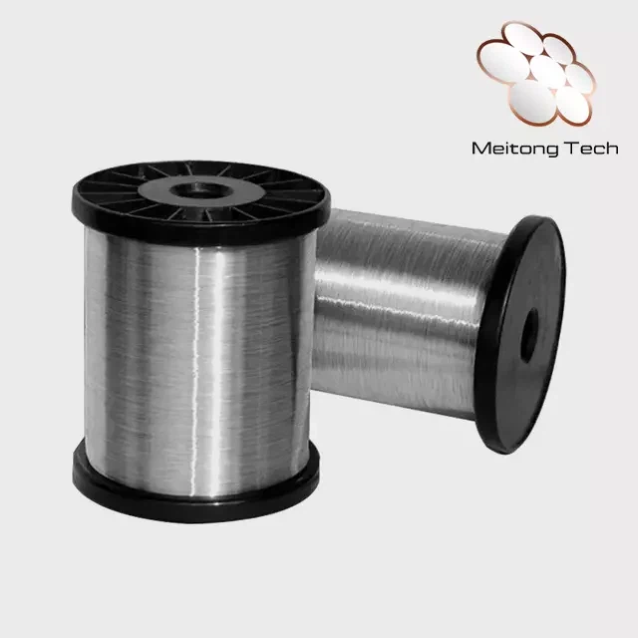
Electrical Wiring: Bimetallic materials, such as copper-aluminum wires, are widely used in power transmission and electrical wiring due to the combination of cost-effectiveness and high conductivity.
Automotive Industry: Bimetals are used in components like engine parts and batteries, where a balance of strength and light weight is needed for durability and efficiency.
Machinery and Equipment: Bimetals are often used in parts such as bearings, gears, and shafts, where wear resistance and strength are critical for performance and longevity.
Heat Exchangers: Bimetals like aluminum-steel composites are used in heat exchangers to combine heat resistance and structural strength, making them ideal for industrial applications involving high temperatures.
Thermostats: Bimetallic strips are essential in temperature-regulated devices. When heated, the different thermal expansion rates of the metals cause the strip to bend, activating a mechanical switch. This principle is used in home heating systems, appliances, and automotive temperature control.
Electrical Contacts: Bimetallic materials are commonly used in electrical contacts for switches and circuit breakers. The combination of metals with differing conductivity properties ensures a reliable, durable electrical connection, making them essential in high-performance electrical systems.
Galvanic Corrosion Protection: Bimetallic materials, especially copper and zinc, are used in marine and chemical industries to prevent galvanic corrosion and protect metal structures exposed to harsh environments.
Bimetal refers to two metal layers that are bonded together, typically to combine their strength or conductivity for structural applications. In contrast, bimetallic materials are specifically designed with two different metals combined for a functional purpose, such as thermal expansion or electrical conduction, to produce a desired response or behavior in specialized applications.
Yes, bimetallic materials always consist of two distinct metals, often chosen for their contrasting thermal, electrical, or mechanical properties. This difference allows them to perform specific functions, such as responding to temperature changes or enhancing conductivity, depending on the application.
Yes, bimetallic materials are often designed for high-temperature environments, such as in thermostats and temperature sensors, where the different metals expand or contract in response to heat. Their unique combination of metals ensures they can withstand extreme conditions while maintaining functionality, making them ideal for heat-sensitive applications.
Bimetal materials are widely used in electrical wiring, automotive components, and machinery, where the combination of metals provides strength, conductivity, and cost-effectiveness. Bimetallic materials, on the other hand, are commonly used in thermostats, electrical contacts, and other heat-sensitive devices, where the interaction between metals is crucial for achieving precise responses to environmental changes.
To summarize, bimetal and bimetallic materials are both crucial in various industries, but they differ in their composition and application. Bimetal typically refers to the bonding of two metals to combine their strengths, such as in electrical wiring, automotive components, and machinery, where enhanced mechanical properties are needed. In contrast, bimetallic materials involve two metals intentionally combined for specific functional interactions, such as differing thermal expansion or electrical conductivity, making them ideal for precise applications like thermostats and electrical contacts. While bimetals are widely used for general industrial purposes, bimetallic materials serve specialized roles where the interaction between the metals is key to achieving the desired result. Both types are essential for advancing modern technology and meeting the performance demands of various industries.


