
Views: 182 Author: Site Editor Publish Time: 2025-07-27 Origin: Site


When working on complex electrical or electronic assemblies, especially in aerospace, medical, or precision automation environments, the question of flexibility and performance of wire becomes critical. One material that consistently raises interest is Silver Plated Copper Stranded Wire. Known for its excellent conductivity and corrosion resistance, it’s also praised for its mechanical adaptability. But does it truly deliver the kind of flexibility required for tight and demanding installations?
This article explores the characteristics, applications, and physical capabilities of Silver Plated Copper Stranded Wire, specifically addressing whether it is suitable for installations where space is minimal, and routing is complex.
At its core, Silver Plated Copper Stranded Wire is composed of multiple strands of high-conductivity copper wire that have been coated with a thin layer of silver. This hybrid construction combines the best of both metals:
Copper Core – Provides excellent electrical conductivity and flexibility.
Silver Plating – Offers superior corrosion resistance, especially in high-humidity or oxidative environments.
The wire is typically used in applications that require both electrical efficiency and physical resilience, such as in:
Aerospace and avionics wiring
RF and microwave transmission systems
Medical diagnostic equipment
High-performance industrial controls
The stranded nature of the wire increases its bendability compared to solid-core wires, while the silver coating enhances its conductivity and environmental resistance.
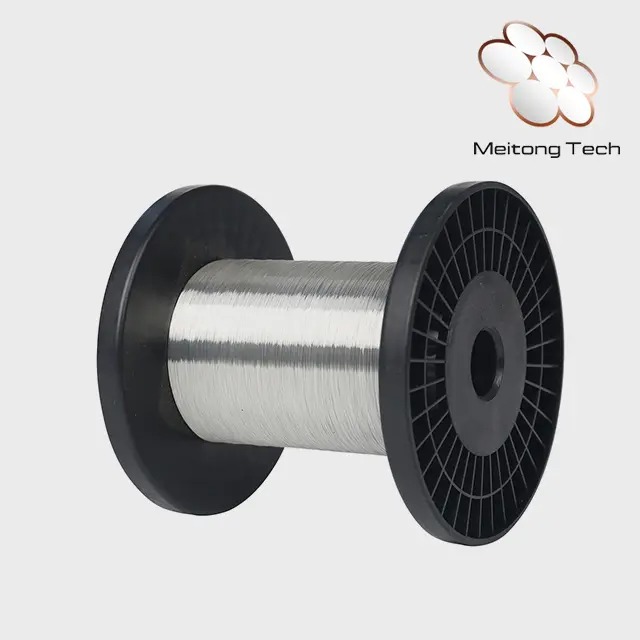
Flexibility is not just about being able to bend the wire—it’s about the wire maintaining its integrity and performance when subjected to multiple bends, twists, and rerouting through confined spaces. In tight installations—like inside aerospace compartments, MRI machines, or automated robotic arms—every millimeter counts.
Bend Radius: The minimum radius a wire can be bent without risk of internal damage or signal loss.
Strand Construction: More strands usually mean more flexibility.
Material Behavior: Both copper and silver respond differently to mechanical stress and thermal expansion.
In these scenarios, Silver Plated Copper Stranded Wire offers a balance between structural resilience and conductive performance, making it a top choice for electrical engineers and system integrators.
To understand the wire’s flexibility, we need to look into its mechanical construction. Here are the critical elements:
| Feature | Performance Insights |
|---|---|
| Strand Count | Higher strand counts (e.g., 19/0.2mm or 37/0.1mm) offer more flexibility. |
| Silver Coating Thickness | Typically ranges from 0.5 to 2 microns; doesn’t inhibit flexibility. |
| Core Material | Soft-drawn copper enhances elasticity and bendability. |
| Operating Temperature Range | Silver’s resistance to oxidation at high temperatures helps preserve wire softness. |
Can bend repeatedly without cracking or losing shape
Resists microfractures even in applications requiring vibration resistance
Maintains electrical integrity even after multiple directional changes
This makes it especially suitable for tight cable assemblies, rotary applications, and movable connector joints.
Understanding how Silver Plated Copper Stranded Wire compares to alternatives can clarify its suitability for tight installs.
| Feature | Silver Plated Copper | Tinned Copper | Bare Copper |
|---|---|---|---|
| Flexibility | High | Moderate | High |
| Corrosion Resistance | Excellent (especially in harsh or moist environments) | Good | Poor |
| Solderability | Excellent due to silver’s properties | Good | Moderate |
| Conductivity | Higher than tinned or bare copper | Moderate | High |
| Temperature Endurance | Up to 200°C | Up to 150°C | Varies |
From this comparison, it’s evident that silver plated copper wire stands out in terms of multi-faceted performance, especially where flexibility must be balanced with corrosion protection and high conductivity.
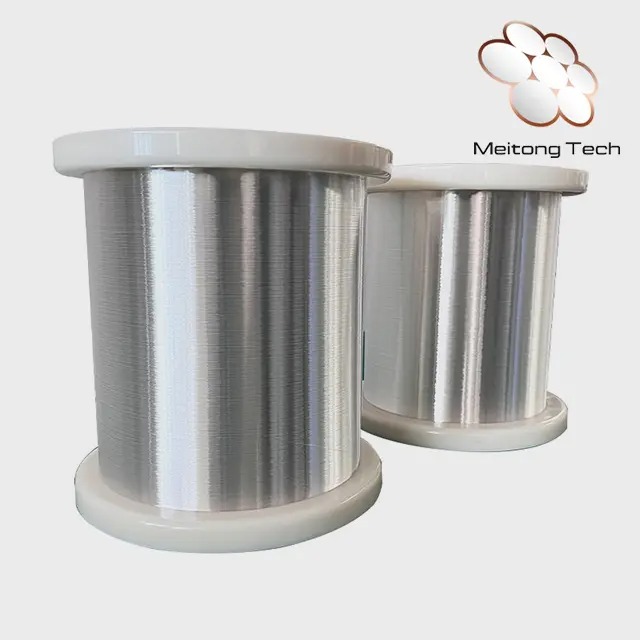
No—within the manufacturer’s specifications, frequent bending does not significantly degrade performance. The stranded construction allows for repetitive motion without cracking or internal fatigue.
Yes. Even a thin layer of silver (0.5 – 2 microns) is sufficient to protect against oxidation and chemical exposure in most applications. For extreme environments, custom plating thicknesses can be requested.
Absolutely. Silver Plated Copper Stranded Wire is a favorite in robotic arms and automation systems, thanks to its high flex life and reliable electrical performance even after thousands of motion cycles.
Generally, yes. But this higher cost is offset by long-term durability, superior conductivity, and corrosion resistance, especially in mission-critical applications where performance failures are not an option.
To get the most out of Silver Plated Copper Stranded Wire, especially in tight installations, the following practices are recommended:
Follow the minimum bend radius defined by the manufacturer (usually 6–10 times the wire diameter) to prevent internal damage.
While cable ties help with neat routing, excessive tightening can damage the wire’s outer insulation or restrict its natural flexibility.
For ultra-tight bends, opt for higher strand-count constructions. For example, a 19-strand wire will bend more easily than a 7-strand one of the same diameter.
Ensure that ambient and operational temperatures remain within the wire’s rated limits. Overheating can reduce silver’s durability and wire elasticity.
In areas with sharp edges or high movement, additional sleeving helps maintain wire integrity while preserving bend capability.
After analyzing the electrical, mechanical, and practical characteristics of Silver Plated Copper Stranded Wire, the answer is clear—it is more than flexible enough for tight installations.
Thanks to its multi-strand copper core, silver’s excellent conductivity, and superior corrosion resistance, it offers the flexibility and performance needed for:
Compact electronics
Aerospace control systems
High-vibration industrial applications
Robotic cabling systems
Automotive and EV internals
Its ability to maintain conductivity under stress, survive repetitive bending, and withstand environmental challenges makes it a top-tier choice when installation space is limited, but performance demands are high.
| Key Feature | Benefit in Tight Installations |
|---|---|
| Stranded Copper Core | Enhances bendability and flexibility |
| Silver Plating | Maintains conductivity and resists corrosion in tight spaces |
| High Flex Life | Suitable for repetitive motion and vibration-prone setups |
| Compact Design Compatibility | Easily routes through confined, complex installations |
| Excellent Thermal Behavior | Maintains properties even under elevated operating temperatures |
When navigating the challenges of dense, constrained, or dynamic environments, Silver Plated Copper Stranded Wire proves to be not just a capable solution but an optimal one. It embodies a rare blend of flexibility, durability, and electrical excellence that makes it indispensable in today’s high-tech industries. Whether you’re planning an intricate medical device or a tightly packed avionics control system, this wire offers the assurance of reliable performance in the most demanding of spaces.
If you are looking for a wire that can twist, bend, and flex without giving up an ounce of reliability, Silver Plated Copper Stranded Wire is undoubtedly the right choice.


